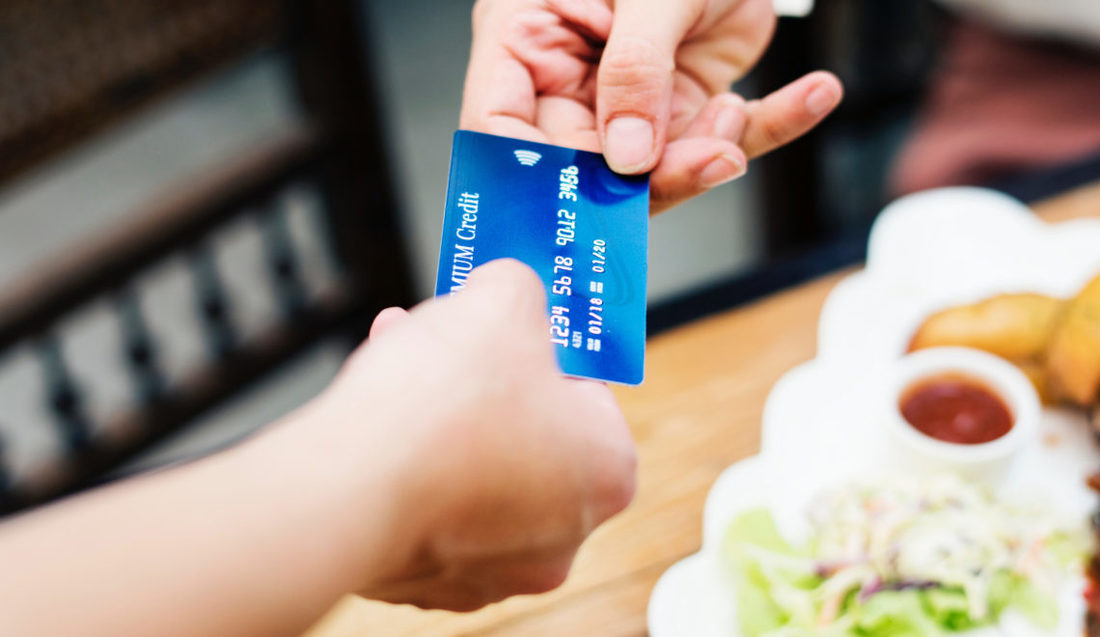
Credit card fraud is the illegal use of your credit card by someone who purchases goods or obtains funds from your account without your permission. It’s important to note that identity theft and credit card fraud tend to spike around the holiday season, so vigilance is key right now!
Credit card fraud is a specific type of identity theft, which is when someone steals your identity (i.e., Social Security Number, medical record information, other personal data) and uses that information to gain credit for themselves. It’s much smaller in scope, and there’s less financial liability. Still, it’s something that needs to be taken care of quickly in order to minimize the impact on your finances.
How Credit Card Fraud Occurs
There are many ways credit card fraud can happen – both online (through the Internet) and offline.
Examples of online credit card fraud:
Card-not-present transactions that are made through online retailers. Some online merchants may allow or not properly prevent hacking of your credit information. Untrustworthy sellers can also use your card number to their own advantage.
Phishing occurs when thieves send you an email that appears to be coming from your financial institution. The email tricks you into believing they need you to send them information in order to verify your account. Once you click “send”, the criminal has your data.
Account takeover happens when a criminal obtains your personal information through a weak password or lack of virus protection and then uses your data, including your credit card information, to make purchases.
Examples of offline credit card fraud:
Dumpster diving, unbelievably, remains a big problem. This is when thieves go through trash (and mailboxes) looking for credit card offers, then complete the forms and use your information to get a card for themselves.
In-person transactions with a dishonest seller can lead to credit card fraud if you leave the card in their hands for an extended period. They can write down your credit card number, or take a picture of it with their phone, and then use it online.
Skimming is a crime that occurs when a particular device is put on an ATM (or other card swiping technology). The skimmer reads your card’s data and then stores it in a database where it can then be used or sold to the highest bidder.
7 Ways to Avoid Credit Card Fraud
Now that we know how credit card fraud occurs, let’s talk about different ways to avoid it…
Keep track of your bank statements. If you’re aware of the purchases and charges on your card, you’ll be able to pick up any signs of fraud quickly.
Shred old cards and bank statements. If you’re not using a credit card or it’s expired, cut it up or shred it. The same goes for printed bank statements. If you shred the statement and then throw it out, you’re helping to protect your personal information.
EMV Technology. Apply (or ask) for a credit card that has this technology (also known as the “chip”). This provides more security than cards with “magnetic stripes” that can be copied with illegal card reading devices.
Set up fraud alerts. If you set up a fraud alert on your credit report (from each of the three credit reporting agencies), you’ll be notified if anyone tries to open an account with your information. Again, this helps stop thieves from moving further into stealing your cards and/or your identity.
Confirm website legitimacy. When making an online purchase, be careful about storing your information with that merchant. It makes it easier to purchase goods, but it also makes it easier for thieves to get your data if the site is hacked.
Online security. In addition to having a reliable antivirus program on your computer, be sure to create an online account with unique, secure and complex passwords that you change often.
Website security. Online transactions should be made on websites that have URLs that start with https:// or includes a lock symbol in the browser bar. This helps determine if the site is safe and secure.
Credit card fraud is a specific type of identity theft, which is when someone steals your identity (i.e., Social Security Number, medical record information, other personal data) and uses that information to gain credit for themselves. It’s much smaller in scope, and there’s less financial liability. Still, it’s something that needs to be taken care of quickly in order to minimize the impact on your finances.
How Credit Card Fraud Occurs
There are many ways credit card fraud can happen – both online (through the Internet) and offline.
Examples of online credit card fraud:
Card-not-present transactions that are made through online retailers. Some online merchants may allow or not properly prevent hacking of your credit information. Untrustworthy sellers can also use your card number to their own advantage.
Phishing occurs when thieves send you an email that appears to be coming from your financial institution. The email tricks you into believing they need you to send them information in order to verify your account. Once you click “send”, the criminal has your data.
Account takeover happens when a criminal obtains your personal information through a weak password or lack of virus protection and then uses your data, including your credit card information, to make purchases.
Examples of offline credit card fraud:
Dumpster diving, unbelievably, remains a big problem. This is when thieves go through trash (and mailboxes) looking for credit card offers, then complete the forms and use your information to get a card for themselves.
In-person transactions with a dishonest seller can lead to credit card fraud if you leave the card in their hands for an extended period. They can write down your credit card number, or take a picture of it with their phone, and then use it online.
Skimming is a crime that occurs when a particular device is put on an ATM (or other card swiping technology). The skimmer reads your card’s data and then stores it in a database where it can then be used or sold to the highest bidder.
7 Ways to Avoid Credit Card Fraud
Now that we know how credit card fraud occurs, let’s talk about different ways to avoid it…
Keep track of your bank statements. If you’re aware of the purchases and charges on your card, you’ll be able to pick up any signs of fraud quickly.
Shred old cards and bank statements. If you’re not using a credit card or it’s expired, cut it up or shred it. The same goes for printed bank statements. If you shred the statement and then throw it out, you’re helping to protect your personal information.
EMV Technology. Apply (or ask) for a credit card that has this technology (also known as the “chip”). This provides more security than cards with “magnetic stripes” that can be copied with illegal card reading devices.
Set up fraud alerts. If you set up a fraud alert on your credit report (from each of the three credit reporting agencies), you’ll be notified if anyone tries to open an account with your information. Again, this helps stop thieves from moving further into stealing your cards and/or your identity.
Confirm website legitimacy. When making an online purchase, be careful about storing your information with that merchant. It makes it easier to purchase goods, but it also makes it easier for thieves to get your data if the site is hacked.
Online security. In addition to having a reliable antivirus program on your computer, be sure to create an online account with unique, secure and complex passwords that you change often.
Website security. Online transactions should be made on websites that have URLs that start with https:// or includes a lock symbol in the browser bar. This helps determine if the site is safe and secure.
 RSS Feed
