Welcome to Credit Carder.
  • Home
  • Bad Credit Car Loans
  • Credit Card Debt
  • Eliminate debt
  • Repaying debt
  • Consolidate
  • Blog
  • Privacy Policy
  • Terms & Conditions
  • Contact us

Protecting Your Credit When Disaster Strikes

12/8/2018

0 Comments

 
Picture
In the wake of natural disasters such as Hurricane Florence, you may be struggling to get your life back to normal. Among the many concerns you may be wondering:

How do I get access to money?
What will happen if I miss payments on my credit cards and loans?
And how might the decisions I make affect my credit rating and access to credit in the future?

These are important items to consider as your credit score influences the credit that’s available to you as well as the terms, such as interest rates and the amount of credit extended, that lenders offer you. The fact that you reside in an area impacted by a natural disaster does not directly impact the FICO® Score, but related actions such as missing a payment, charging credit cards up to and over their limit or opening several new credit accounts over a short period of time can have an impact on the score. So what should you do to protect yourself and monitor any changes to your credit score if you’ve been impacted by a natural disaster and are worried about keeping up with your bill payments as you sort things out and try to get some “normalcy” back into your life?

If you reside in a natural disaster area and find you can’t pay your bills on time, contact your bank and other creditors as soon as possible to make them aware of your situation. Most lenders have “natural disaster” procedures in place to work with their customers impacted by such unforeseen events. For example, many lenders will work with you to set up a temporary deferred payment plan, or temporarily place the loan in forbearance (meaning you may get temporary relief from having to make full payments on your credit obligations). Each lender is different, so contact all of your lenders.

The lender may include comments about any special payment arrangements set up because of a natural disaster when they send an update to the credit reporting agencies. The FICO® Score does not consider such comments as negative information when calculating the score.

It may be prudent to obtain a copy of your credit report and score as soon as is feasibly possible after the disaster. This will give you a complete picture of your credit profile at the time of the natural disaster and before any post-disaster updates have been reported.

0 Comments

What Effect Can Multiple Inquiries Have For My Credit?

9/5/2018

0 Comments

 
Picture
​When you seek out new credit, a credit inquiry gets added to your credit report each time. If you’ve heard the term inquiries before, you might think that they’re all created equal, but the truth is, there’s more to inquiries than can initially meet the eye. For instance, when you check your own credit, that creates an inquiry of a different type – and one that doesn’t ever impact your credit scores. While you’re allowed to check your own credit report as often as you like without hurting your scores, other types of inquiries can actually impact your credit scores when they add up in a short period.
What kind of inquiries are there?
 Credit bureaus sort credit inquiries into two categories—hard inquiries and soft inquiries. Hard inquiries—the ones that can affect your credit scores—result when a lender reviews your credit report in response to your application for new credit. For example, applying for a mortgage, car loan, credit card, larger line of credit or student loan can each result in a hard inquiry that appears on your credit report. When you reach out for new credit, know that the process of finding the right new addition to your credit mix can deliver a ding to your scores if your report is pulled. Be selective when you’re thinking about expanding your credit footprint, and don’t be swayed by offers of free toasters or other ‘special’ gifts.
On the other side of things, soft inquiries don’t affect your credit. Soft inquiries are generated when checking your own credit; an employer pulls your credit report as part of a job application process; or when a credit card company extends an offer of credit to you as part of its pre-approval process. Again, these types of inquiries don’t impact your credit.
How much impact can they have?
 The number of inquiries on your credit report (or, “recent credit”) counts for 10 percent of your FICO(R) Score powered by Experian data, the smallest of any of the credit scoring factors. However, according to Experian, it’s impossible to predict exactly how much your scores might change as a result of a single inquiry – or multiple inquiries – since everyone’s credit situation is different. For example, one additional inquiry might have a very different impact on your credit versus the credit of your neighbor. Moreover, Experian says that applicants aren’t usually turned down for credit based solely on the number of inquiries on their credit report, since it’s by far not the most important factor in that scoring model.
How long are they important in a credit score?
 Inquiries remain on your credit report for two years after a lender’s initial query of your credit. However, the older the inquiry, the less of an impact it has on your credit scores. For example, an inquiry from a credit card you applied for last week usually has a much more significant impact on credit scoring than an inquiry which resulted from an application for credit 21 months ago.
When it comes to calculating your credit scores, inquiries for auto loans and mortgages can sometimes receive special treatment. If you have multiple inquiries for the same type of loan in a short period of time, those inquiries can be counted as one inquiry when figuring your credit score. For example, if you apply for five car loans in the same two-week period, you’ll see five inquiries on your credit report; however, for credit scoring purposes, those five inquiries may be treated as a single inquiry, since lenders understand that you probably weren’t trying to purchase five cars in two weeks.
This article is provided for general guidance and information. It is not intended as, nor should it be construed to be, legal, financial or other professional advice. Please consult with your attorney or financial advisor to discuss any legal or financial issues involved with credit decisions.
Published by permission from ConsumerInfo.com, Inc., an Experian company.   © 2014 ConsumerInfo.com, Inc.  All rights reserved.
0 Comments

These Credit Card Benefits Are Disappearing

8/8/2018

0 Comments

 
Picture
Credit card issuers can add or remove benefits at any time, and 2018 has seen many significant changes in the benefits offered by American Express, Chase, Citi, and Discover.
Some benefits are being reduced or going away while others are being introduced or improved. While these changes are all happening at about the same time, there’s no real pattern here.
It’s likely that the third-party providers of these benefits have changed their prices, and that credit card issuers are simply using this opportunity to reevaluate what benefits are cost-effective, and which are not. Read here for 10 credit card benefits you may not know about.
Here are the details of the changes and how they could affect your credit cards:
American ExpressAmerican Express is improving several of its cardholder benefits. It recently announced changes to all of its cards extended warranty and purchase protection policies, beginning on August 1, 2018. The extended warranty coverage is improving, and will now double the manufacturer’s coverage for up to two years, instead of one. Citi is the only other major card issuer that offers up to two years of additional coverage on eligible items.
American Express is also bettering its purchase protection policy, which covers losses due to theft and accidental damage. While the previous policy covered you for up to 90 days after the purchase, the new policy now extends to 120 days.
Finally, The Platinum Card® from American Express cardholders are also receiving an entirely new benefit. Twice a year, they’ll receive a credit of up to $50 for purchases at Saks Fifth Avenue stores. Cardholders must first register for this benefit which is valid once from January through June, and a second time from July to December. Gift cards and outlet store purchases are excluded.
Find a rewards credit card here.
ChaseChase removed some benefits from several of its cards earlier this year. Starting in June, it removed price protection and return protection coverage from its United MileagePlus Explorer Visa Signature card. It also reduced its trip cancellation/trip interruption coverage.
And with its enormously popular Sapphire Reserve Card, Chase has cut its Priority Pass Select benefit. Previously the Priority Pass Select membership included with the card covered the cardholder and an unlimited number of guests, although individual lounges could impose limits.
But starting on August 26, you will be limited to yourself and two guests, with each additional guest having a $27 charge. Also, you’ll no longer earn reward points for the original $300 in travel purchases that are eligible for statement credits each year.
CitiStarting on July 29, Citi is reducing the following cardholder benefits:
  • For damage and theft protection, the limit is dropping from $10,000 per claim to just $1,000. Also, the coverage will only last for 90 days from purchase instead of 120.
  • Citi’s Price Rewind program is capping the benefit at $200 per item, down from $500, and changing the annual limit to $1,000, down from $2,500.
  • Citi’s Price Rewind and 90-day return protection policies will no longer cover firearms, ammunition, jewelry, furniture, appliances and tires.
  • Citi’s worldwide car rental insurance will no longer cover charges or expenses for the loss of use of the rental car, rental agency fees or taxes.
  • Citi’s trip cancellation and interruption protection policies will cover up to $1,500 per trip and a total of $5,000 per calendar year instead of $5,000 per trip.
DiscoverOf all of these cardholders, perhaps the most extensive benefit changes have been made to Discover cards. Starting on February 28, the Discover card discontinued its Extended Product Warranty, Return Guarantee, Purchase Protection, Auto Rental Insurance and Flight Accident Insurance policies.
The most surprising one may be the elimination of auto rental insurance, which is a standard, and frequently used benefit on nearly all Visa, Mastercard, and American Express cards.
What Should You Do?Credit card benefits can be very valuable, but only if you understand which ones you have and what their terms and conditions are.
The best way to learn about what your card offers is by reading its Guide to Benefits. This is a document that you were provided when you opened your account, but you can request an updated copy at any time. It will contain all the terms and conditions of each benefit, along with information about how to make a claim.
By understanding how these major credit banks have changes made to their benefits, you can make sure to use the right credit card for your purchases.
These Credit Card Benefits Are Disappearing
0 Comments

Credit Card Temptation

8/6/2018

0 Comments

 
Picture
UNITED STATES—Credit cards can be dangerous. It’s that piece of plastic that many of us go to in an effort to reserve cash that we might not have at a particular time. I believe in the notion of having at least 2-3 major credit cards. Anything beyond that number can get you into trouble fairly quickly. As Americans, we attempt to keep our credit card balances at a certain limit.
I think that is a super important rule to preventing yourself from falling deeper into debt. If you don’t have a cut-off on what you want to payback, it opens the door for trouble to ensue. I’m a believer that a credit card should be used for big purchases, but lately I’ve found myself using my credit card more and more for smaller purchases. Guess what it hit me: you’ve got to keep a tally on what you’re spending.
I’m good at managing money, but if I’m spending way more than I’m bringing in it’s a problem. So for the past 3 months I have been keeping an envelope with my three credit cards each labeled and placing receipts into the envelopes every time I use one of the credit cards. What have I come to discover? I’m spending way too much money on unnecessary things that I really don’t need, just picking them up to pick them up.
This is something many Americans have an issue with. Just because something is on sale doesn’t mean you have to buy it. If there is no legitimate reason for purchasing the item, don’t buy it. I can easily save about $75-$100 a month by doing so.
Next, the cost of food is constantly on the rise. I actually hate grocery shopping because for the strangest reason I always seem to spend much more than I care to spend. I’ve now figured out why that is. I’m shopping way too many times during the month. I need to just pick one time during the month to shop and get all the items I need. I see myself spending more than I should at the local farmer’s market, a lot of the time purchasing fruits and veggies that I don’t eat. Well, not anymore.
If I know I won’t consume those items within a week, I’m not buying. Nothing bugs me more than wasting or throwing out food. We already have an epidemic of so many people not having enough to eat, what does it look like for me to be throwing out food because I allowed it to spoil? Another important facet when it comes to grocery shopping: don’t be afraid to shop around. We live in this bubble where many people think you should do all your grocery shopping at one place. No you don’t. It might be convenient, but that convenience will end up costing you more money in the long run. Why spend an extra $50 bucks when you can slice that in half by shopping somewhere else? Remember money that is saved is funds that can be used on something else: paying a bill, gas in the car, a night on the town, etc.
The most important thing I have learned in my adult life is that a credit card is MONEY YOU DON”T HAVE! People forget that, it’s not your money, it has to be paid back and interest can kill you if you allow it to. Be careful what you buy. A department store credit card is the worst thing you can do. That whole notion of open an account and save 20-30 percent on your purchase is baloney. It really isn’t worth it in the long run.
The APR on retail store credit cards can range anywhere from 22-30 percent. That is much costlier than what you’d pay if you used a Visa, MasterCard, American Express or your Discover charge. Remember these are card that are accepted everywhere so utilize their purpose.
The most important thing to remember with a credit card is pay as much on your bill each month as possible. Paying the minimum amount doesn’t help knock down the debt. You’ll likely end up paying more in interest than you’d like. Think of it this way each time you are about to pull out that piece of plastic. Is this something I need or is it something I want? More importantly, is this something I can afford to pay back by the end of the month or within 3-6 months before interest begins to kick in? If the answer to either of those questions is NO, you already know the decision that has to be made, even though it may pain you do to so. Trust me you’ll thank me later.
0 Comments

The Ultimate Plastic Primer: What Is a Credit Card?

7/29/2018

0 Comments

 
Picture
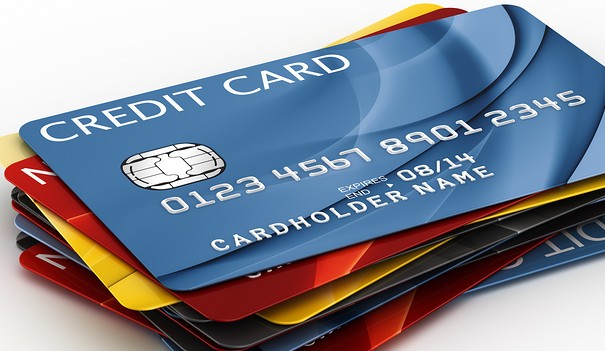
What Is a Credit Card?All plastic payment methods — with the admitted exception of gift cards — look virtually the same: name, account number, magnetic stripe and, most recently, that little EMV chip on the left side. But don’t let appearances fool you: credit cards are very different than debit cards and their prepaid counterparts, pretty much every way you slice it.
A credit card, after all, isn’t just a payment method — it’s a loan. Every time you swipe, you’re using part of your pre-approved credit limit (read: the bank’s money) to make that purchase. You’re expected to pay at least part of those purchases back at the end of each month. When you swipe a debit card, on the other hand, you’re using the funds in your checking account (read: your money) to buy stuff, so you won’t owe your bank anything, outside of overdrafts and other checking account fees. As part of this in-depth credit card definition, we’ll dive into what a credit card actually is, the pros and cons associated with having one and the different types of credit cards that are out there in the marketplace, so you can decide which one, if any, is right for you.    
What’s a Credit Card?A credit card is a payment method, yes, but it’s also a revolving credit account. Revolving credit accounts, unlike installment loans, don’t require a fixed payment each month. Instead, account holders are approved for a pre-set credit limit that they can use as they please — so long as they make a minimum payment each billing cycle. Minimum payments on credit cards are typically between 1% to 3% of your total outstanding balance, but the exact stipulation will vary from issuer to issuer. Of course, whatever you don’t pay off by your statement’s due date will begin to accrue interest. Credit cards tout annual percentage rates (APRs) on everything from purchases to balance transfers to cash advances. You also may face a penalty APR on balances if you miss a payment. Credit card APRs can be either variable, meaning they go up or down depending on the U.S. Prime Rate, or fixed, meaning that they don’t. Generally, credit cards have a variable APR, but the specifics will always be marked in the credit card terms and conditions you should read through before you apply.
The Pros & Cons of Credit CardsFor people who use them responsibly, a credit card can be a great spending tool. Since a credit card is a loan, your account will build credit — but unlike installment loans, such as a student loan, auto loan or mortgage, which all involve a fixed monthly payment at a set interest rate over a specified period of time, you can avoid paying interest on a credit card entirely. Plus, many credit cards offer rewards: cardholders can receive points, miles or cash back on their purchases and, even, ancillary benefits, like purchase protection, price protection, extended warranties and certain travel insurance.
Having said that, for people who don’t use them responsibly, a credit card can be a quick way to end up in dire straits. The interest on credit card balances adds up quickly. For example, let’s say you have a $1,000 balance on a card with a 15% APR and you can only make the minimum payment of $20 (2% of the balance) for the entire 118 months it would take you to pay it back that way. You’d wind up paying a whopping $851 in interest by the time that balance is gone, almost doubling what you initially charged.
Plus, credit cards often come with a laundry list of other fees or charges that get imposed when you slip up, among them, penalty APRs, late payment fees, over-the-limit fees and returned payment fees. You’ll also pay fees for certain services, like balance transfers, foreign transactions or even having the card in the first place (known as an annual fee). Here’s a rundown of the pros and cons associated with credit cards.
Pros of Credit Cards
  • They help you build credit, unlike debit cards or prepaid debit cards, which are not loans and, therefore, don’t get reported to the three major credit reporting agencies.
  • They provide short-term or long-term liquidity in case of emergencies or beyond.
  • They feature better built-in fraud protections than debit cards, thanks to differences in federal laws. Credit cardholders can only be held liable for $50 of fraudulent charges and most issuers have zero-liability policies that supercede that. Debit cardholders, conversely, can be held liable for only $50 if they report fraud within two days and up to $500 if they report within 60 days. Beyond that, they could wind up paying all those fraudulent charges.
  • They’re also safer than carrying around tons of cash.
  • Many credit cards reward account holders for their purchase in the form of points, miles or cash back.
  • Many credit cards also feature ancillary benefits, like travel insurance, extra car rental insurance or price protection, that can help consumers save or get out of a jam.
  • Credit cards issued by major networks, like Visa and MasterCard, are accepted virtually everywhere.
Cons of Credit Cards
  • You pay interest on charges you don’t pay off in full each month.
  • That interest can accumulate quickly and land you in serious credit card debt. Credit card debt represents all the purchases you made with the card, plus the interest you owe on them.
  • Missing payments and running up big balances will do big damage to your credit score — and make it harder to secure other financing in the future.
  • Credit cards can be terribly convenient, yes, but that makes it a whole lot easier to overspend.
  • You’ll pay extra fees, too, if you miss payments or go over your limit.
  • Some credit cards come with annual fees that a person may or may not recoup in rewards. In fact, some starter credit cards carry annual fees since issuers are technically taking a risk on people with thin-to-bad credit, so you’re essentially paying for the opportunity to build or rebuild your score.
How Do I Use a Credit Card Responsibly?First off, make all of your payments on times, since a missed payment is the quickest way to tank a credit score. Second, aim, at all costs, to pay more than the minimum. When it comes to credit scores, credit cards don’t just affect your payment history; they play a huge role in your credit utilization rate, another major factor of most credit scoring models.  
Your credit utilization rate is how much debt you’re carrying versus your total available revolving credit (i.e. your card’s credit limit). It’s generally advised that you keep the amount of debt you owe on each card and collectively below at least 30% and ideally 10% of your total available limit(s), so if you can’t pay those puppies off in full each month, it’s a good idea to, at the very least, try to meet those targets.
How Do I Get a Credit Card?Credit cards are issued by banks, credit unions and other financial institutions, though there are some exceptions (see: store credit cards). You can get one by filling out a credit card application either online or at bricks-and-mortar branch. When you fill out the application, the issuer will ask for your personal and income information, than they’ll pull a version of your credit report and credit score. Your credit score will be used to determine whether you qualify for a card and, if so, what interest rate you’ll pay. Your income information is generally used to determine what credit limit you’ll be offered.
You don’t need good credit to get a credit card. As we mentioned earlier, there are cards designed specifically with people that have bad or thin credit in mind. But you do need a credit score to qualify for the better products out there and/or the lowest rates or fees

credit carder credit carder credit carder ​credit carder credit carder credit carder ​credit carder credit carder credit carder

0 Comments

States with the Most Student Loan Debt

7/28/2018

0 Comments

 
Picture

As of the fourth quarter of 2017, total student loan debt in the U.S. hit a record high of $1.38 trillion, up 152% over the past 10 years. For reference, total household debt only grew 6% over that same time period, according to data from The New York Fed. Outside of mortgages, student loans are now the largest source of household debt for Americans, greater than auto loans ($1.22 trillion) or credit cards ($834 billion).
At an aggregate level, it’s clear that more education leads to lower unemployment and higher earnings. However, decisions after graduation regarding occupation, industry, and location, among others, can have big impacts on the return-on-investment of a given degree. This is why, despite the benefits that a bachelor’s or advanced degree might offer in the workplace at a national-level, many individuals in the U.S. are currently unable to meet their student loan debt obligations. According to The New York Fed, 9.2% of student loans are currently 90+ days delinquent or in default, but the results vary widely by state. In Mississippi, that number is close to 17%, whereas in Massachusetts, it’s just under 7.5%.


To see just how much student loan debt varies by location, researchers at Credit Sesame analyzed debt statistics from The New York Fed and demographic and earnings data from the American Community Survey. Rather than looking just at total (or per-capita) student loan debt balances by state, Credit Sesame calculated debt-to-earnings ratios (debt as a percentage of earnings) for college graduates. States with low debt-to-earnings ratios have lower student loan debt burdens than those with high debt-to-earnings ratios. Here are the states with the most (and least) student loan debt.


MethodologyDebt statistics used in this analysis were sourced from the 4Q17 Federal Reserve Bank of New York, State-Level Household Debt Statistics dataset. Educational attainment and earnings data were sourced from the 2016 American Community Survey (ACS) 1-Year Estimates, Educational Attainment file. For each state, the Average debt for graduates was calculated by dividing the Student loan debt balance per capita (New York Fed) by the Percent of population w/ a bachelor’s degree or higher (ACS). The Debt-to-earnings ratio for graduates was calculated by dividing the Average debt for graduates (calculated above) by the Median annual earnings for bachelor’s degree holders (ACS). The resulting statistic was used to rank states, with higher debt-to-income ratios corresponding to more debt. Percent of of loans delinquent/in default was also sourced from the New York Fed, and includes student loan debt balance that is 90+ days delinquent and in default.
0 Comments

Budgeting for Your First Summer After College Graduation

7/22/2018

0 Comments

 
Picture
0 Comments

How Much Will One Late Payment Hurt Your Credit Scores?

7/14/2018

0 Comments

 
Picture
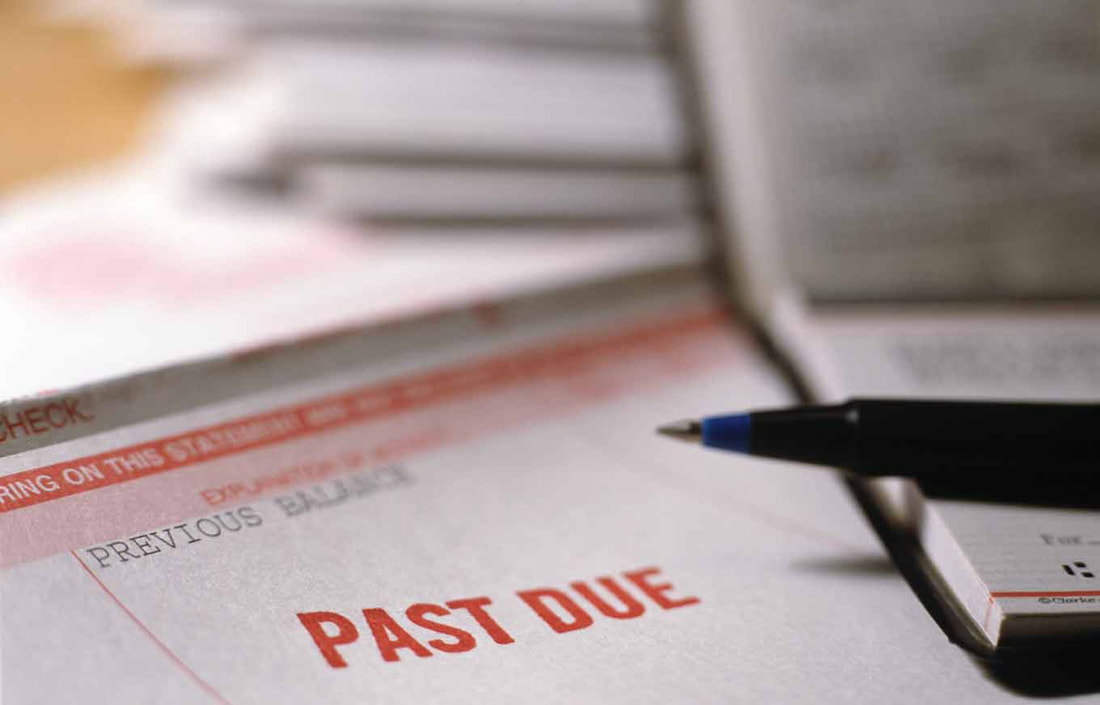
You open your statement and discover you’re late on your credit card payment. Or you get a call from a collection agency about a medical bill you forgot to pay. Or you check your credit reports and discover a late payment is marring your otherwise perfect payment history.
What happens if you miss a credit card payment? How do late payments affect your credit scores? Of course, as with so many things related to credit scores, the answer is, “It depends.”
Get Your Free Credit Score & Monitoring
Plus Weekly Updates From Our 50+ ExpertsGet It Now
Privacy Policy
Hope for the BestLate payments and good credit scores go together like toothpaste and orange juice—they don’t mix. But just how bad is it to miss a single payment?
First, it depends on how many days late your payment is. If you missed your credit card payment by one day, you probably don’t need to sweat it.
If you’re lucky, the lender won’t report the lapse. “Most lenders do not report missed payments until the account is 30-plus days past due,” says Anthony Sprauve, PR director for MyFico.com.
“Suppose a given credit card payment is due on May 15 [and you pay on] May 25. Technically, the payment is late, and fees and interest charges may apply. But in most cases, this late payment would not be reported by the creditor to the credit reporting agencies [CRAs].”
Or perhaps your lender may overlook the transgression. Steve Ely, president of eCredable.com, adds, “The larger creditors [like credit card companies] usually have sophisticated analytic models working behind the scenes that take into account your history of payments. If you’ve been paying on time for a long time, they’re likely to forgive your one late payment and let it slide.”
But Brace for the WorstWhat if you don’t luck out and the creditor reports the late payment? Here are three questions that will help you understand the possible impact, according to Barry Paperno, community director for Credit.com:
  1. How long ago did the most recent late payment occur?
  2. How severe were the late payments (30 days, 60 days, charged off, etc.)?
  3. How many accounts on the credit report have had late payments?
“Of these three questions, the one typically having the most impact on your credit score is the first: recency,” says Paperno. “To illustrate, if a single late credit payment occurred a few years ago and all payments on all accounts have been made on time since, that single late payment will have little negative impact on your score.”
How Bad Can It Get?To put the potential consequences in perspective, Paperno points to a study about credit scoring effects conducted by FICO that points to a scary possibility. “[A] recent late payment can cause as much as a 90- to 110-point drop on a FICO score of 780 or higher.”
Although score drops from late payments tend to rise again over time, these credit dings can remain on your credit report for seven years, according to Paperno. You can expect the effects to last for much of that time.
Sprauve also explains that the impact of a missed credit card payment or late bill on your FICO credit score varies significantly depending upon the individual consumer’s circumstances. He details some of the factors that can help determine how much a late payment will hurt your scores:
  • Any history of account delinquencies or collection references (on any account)
  • Any adverse legal items on your credit report
  • The outstanding balance on the delinquent account
  • The number of other accounts on the file that you’ve currently paid as agreed
  • The length of your credit history
The Bigger They Are, the Harder They FallThe irony is, the better your credit, the more you may feel the sting. One slipup and your credit score may take a dive—even if you have otherwise stellar credit.
“The old [adage] of ‘the bigger they are, the harder they fall’ applies to credit scores too,” warns Ely. “If you have a really high FICO Score, you’ll take a bigger hit for a late payment than someone with a lower FICO Score.”
The best defense is to be meticulous about paying your bills by the due date. But if you do mess up, see if you can’t convince the lender or collector to remove the ding from your reports. While they may balk at first, you may be able to persuade them to change their mind if you have a good explanation—and they believe you when say it won’t happen again.
What You Can DoIf you’re concerned about how late payments could be damaging your credit, you can check your three credit reports for free once a year from each of the reporting agencies. To track your credit more regularly, Credit.com’s free Credit Report Card is an easy-to-understand breakdown of your credit report information that uses letter grades—plus you get two free credit scores updated each month.
Tips to Make Sure You Don’t Miss PaymentsIf you want to find ways to help avoid making late payments or missing them altogether, here are a few tips and tricks to keep in mind:
Sign up for Auto PayAuto pay can be extremely beneficial for those that find themselves forgetting to make their bill payments on time. Auto pay is simply when you authorize the credit issuer or lenders to automatically deduct your monthly payment amount directly from your checking account on the due date.
Even with auto pay, it is still recommended that you pay more than just the minimum amount that is due on your credit accounts, so you can avoid pay higher interest rates because of the balances you may carry from month to month. Doing so will also positively affect your credit standing.
A downfall to auto pay, however, is that you have to be sure that you have the funds available in your account prior to the date the funds are to be withdrawn. If you don’t have enough to cover the payment, then you may experience fees in addition to the missed monthly payment.
Set Up RemindersAnother way you can effectively pay your bills on time to help you credit history and credit scores is to set up payment reminders instead of relying on your memory.
Calendar and online reminders on a phone or other mobile device are probably the most popular ways to keep track of what you have to pay and when it needs to be paid. You can also ask the creditor to provide you with online alerts when your payments are coming due.
Weekly PaymentsWhile most account payments are due once per month, it may be in your best interest to instead pay weekly on the account. By doing so, you may find that it is easier to control your overall balances and it will help you pay everything off a bit faster.
However, if you cannot afford to make payments weekly, then you should instead consider one of the other options we have already mentioned.


[Offer: Bad Credit? The credit professionals at Lexington Law use their legal expertise to help you aim for a better credit profile. Start by getting your credit reports, then connect with Lexington Law’s attorneys and paralegals who will review your credit reports and help you dispute any errors with the credit bureaus. Get started today or call (844) 346-3296 for a free credit consultation.]
0 Comments

5 Top Credit Card Terms You Need to Know

7/13/2018

0 Comments

 
Picture
​When people talk (or write) about credit and credit cards, we often hear different terms being tossed around as though we’re supposed to understand what they mean. Some are easy to comprehend while others, well, they’re not so easy. And there are others we might think we understand but, when it comes down to it, we’re actually mistaken about their true meaning. So do you know these common credit card terms?
What follows are 5 credit card terms that will probably sound familiar. However, you might be surprised that they mean something totally different than what you originally may have thought.
1. APR and APYThere’s only a one letter difference between these two abbreviations, but their definitions couldn’t be further apart.
APR (Annual Percentage Rate) is money you pay. APR is the annual percentage rate a lender charges when you borrow money. APR is typically used for credit cards, mortgages and loans.
APY (Annual Percentage Yield) is money you make. APY is the rate of return on an interest rate and includes compound interest – the interest you earn on top of the principal and simple interest. It’s more commonly used for interest-bearing accounts like savings bank accounts and investments.
When making an investment (or opening a savings account) or applying for a credit card, take careful note of APR and APY. It could make thousands of dollars of difference in your income and your interest payments.
2. Annual FeeMany credit cards charge an annual fee for the “privilege” of using their card. Often using the term “Membership Fee” or “Participation Fee”, the lender can charge anywhere from $10 to $350 or more. This fee is often related to the type of “rewards” you can get by using the card and getting “points”. You can then redeem those points to enjoy discounts on everything from travel and retail shopping to restaurants and gift cards. Carefully consider risk vs. reward before deciding to pay an annual fee. Will your rewards outweigh your fee? If not, consider finding a card with no annual fee at all.
3. Minimum PaymentCredit cards, like most loans, require a minimum amount to be paid each month in order to keep that account from going into default. With credit cards, the minimum payments typically equal 2% of the outstanding balance. Always pay this minimum amount in order to keep the payment history factor of your FICO® Score in good standing. If possible, pay more than the minimum payment each month so you can reduce the debt faster.
4. Finance ChargesThese are two words no one likes to hear. We might not know exactly what they are, but we know they’re not a good thing. Most credit cards give you a certain amount of time to pay off your balance in full before charging a penalty (this timeframe is known as a “grace period”). The penalty, typically in the form of a finance charge, is an interest fee charged on the money you’ve borrowed.
A finance charge is usually imposed when
  1. A transaction is made without a 0% interest promotion in effect
  2. There’s a balance due at the beginning of a billing cycle
  3. The transaction isn’t offered a grace period (i.e. cash advance)
It pretty much goes without saying that the best way to not pay a finance charge is to pay your entire balance down each month.
5. Credit LimitThis term pretty much means exactly what it sounds like: it’s the maximum outstanding balance you can have on your credit card at any point in time without getting charged a penalty (typically a higher rate than your current rate). You can learn what your credit limit is by checking your credit card agreement, your billing statement or simply by calling your credit card’s customer service line.
When you near your credit limit or exceed it, your credit score could be negatively impacted. This is due to credit utilization – the FICO® Score factor that measures the amount of your total credit being used and accounts for 30% of your credit score. The higher your credit card balance in relation to your credit limit, the higher your credit utilization and impact on your credit score. That’s why it’s so important to know your credit limit before making too many purchases!
0 Comments

How Federal Reserve Interest Rates Affect Your Credit

7/12/2018

0 Comments

 
Picture
The Federal Reserve raised interest rates in March to their highest level in a decade, and more increases are on the way.
Higher interest rates will affect consumers in many ways — including car and home loans, though most borrowers who have those loans are at set rates that don’t change for years, if at all. Where most consumers will see a change is on their credit cards, where interest rates can change daily.
For a U.S. household with the average credit card debt of $10,995, a 0.25 percent hike in interest rates — which is how much the Fed raised its key interest rate on March 21 — could make carrying a credit card balance more costly.
How the Fed raises interest ratesThe Fed raised its benchmark rate from 1.5 percent to 1.75 percent, the highest level since 2008. It raised rates three times in 2017 and has signaled that it anticipates raising rates three times in total in 2018, possibly four times.
The benchmark rate has risen a full percentage point in the past year, and further hikes this year will make credit cards at least twice as expensive to carry a balance on than they have been for about a decade.
Technically called the federal funds rate, the interest rate the Fed sets is the rate banks trade federal funds with each other overnight. It is almost exactly correlated with the prime rate, which is what credit card companies typically charge their largest, most creditworthy corporate clients.
From there, a change in the prime rate follows with credit card interest rate changes that consumers see. Their credit card interest rate will usually increase with a day of the federal funds rate increase, and usually at the same amount. So a 0.25 percent increase in the federal funds rate equates to a 0.25 percent increase in a credit card interest rate.
After holding steady at an average interest rate of 13.5 percent in 2016, and around that rate or lower since 2013, the average interest rate on credit card accounts that assess interest has risen almost two percentage points in less than two years, according to data from the Federal Reserve. In 2017 it averaged 14.44 percent, and as of February 2018 it was 15.32 percent.
If the Fed raises rates 1 point by the end of the year, credit card users could see their average interest rate at about 16.3 percent.
Credit card painCarrying a credit card balance, also known as revolving credit, is where credit card users will feel the pain of a Fed interest rate hike. An estimated 40 percent of credit card users carry a balance from month to month, and should see their costs climb immediately after a Fed rate hike.
Most credit cards have variable interest rates. As banks see their borrowing costs rise, they raise rates on credit cards.
If the Fed increases interest rates during the middle of a credit card billing cycle, for instance, customers may not see the increase until their next statement is due. But their rate may rise on new purchases immediately.
Lenders are typically more likely to raise interest rates faster than they would lower them if rates were dropping elsewhere.
As we said earlier, any rate hike by the Fed should be almost immediately mirrored in a credit card rate hike. With that, the minimum due on a credit card balance will rise.
Credit card minimum payments are typically set at 1-2 percent of the principal balance, plus any interest accrued during the billing period. Rising interest rates will increase the accrued interest and minimum due, though not dramatically.
For example, with a credit card debt of about $8,600 at an interest rate of 15 percent, the minim due is $101 when a 1 percent rate of the principal balance plus accrued interest is factored. Add a rate increase of 0.25 percent and the minimum due goes up to $102.
A 0.25 percent increase in interest rates causes the minimum due on a credit card to jump by $2 for every $10,000 of credit card debt.
That’s not a lot of money, but two or three more Fed rate jumps this year and it can add up. Credit card interest rates are already about 2 points higher than they were two years ago, so adding another point means a $24 increase on the same debt from 2016 — each month.
What to doThe best thing credit card users can do to avoid the pain of rate hikes is an obvious and sometimes difficult one — don’t carry a balance. Pay off your credit card each month and pay it on time to avoid fees.
If you have a good credit score, you can apply for a credit card with a lower rate and transfer your balance to the new card. At the very least, work to improve your credit score so that you qualify for the best rates.
You can also try to get a personal loan at a low interest rate to pay off a higher credit card balance. Getting your spending under control can help ensure you don’t go into more debt.

written by 
Aaron Crowe

0 Comments
<<Previous
Forward>>

    Archives

    January 2023
    December 2018
    September 2018
    August 2018
    July 2018
    April 2018
    March 2018
    September 2017
    August 2017
    January 2017
    December 2016
    November 2016
    November 2014
    July 2014
    June 2014
    January 2014
    October 2013
    August 2013
    April 2012

    Categories

    All
    A Credit Card
    A Credit Card
    #badcredit
    #badcredit
    Bad Credit
    Bad Credit
    Card Credit
    Card Credit
    College Student
    College Student
    College Student Credit Card
    College Student Credit Card
    Credit
    Credit Card
    Credit Card
    Find Me A Credit Card
    Find Me A Credit Card
    For Which Credit Card
    For Which Credit Card
    Help Me Find A Credit Card
    Help Me Find A Credit Card
    How Can I Get A Credit Card
    How Can I Get A Credit Card
    How Do I Get A Credit Card
    How Do I Get A Credit Card
    How Do You Get A Credit Card
    How Do You Get A Credit Card
    What Is A Credit Card
    What Is A Credit Card

    RSS Feed

Powered by Create your own unique website with customizable templates.
Photo used under Creative Commons from Got Credit